
Ledger.com/Start® | Getting started®™ — Ledger Support
Ledger.com/start helps you understand wallet setup while providing practical information for device connection, accounts, assets, and transactions.
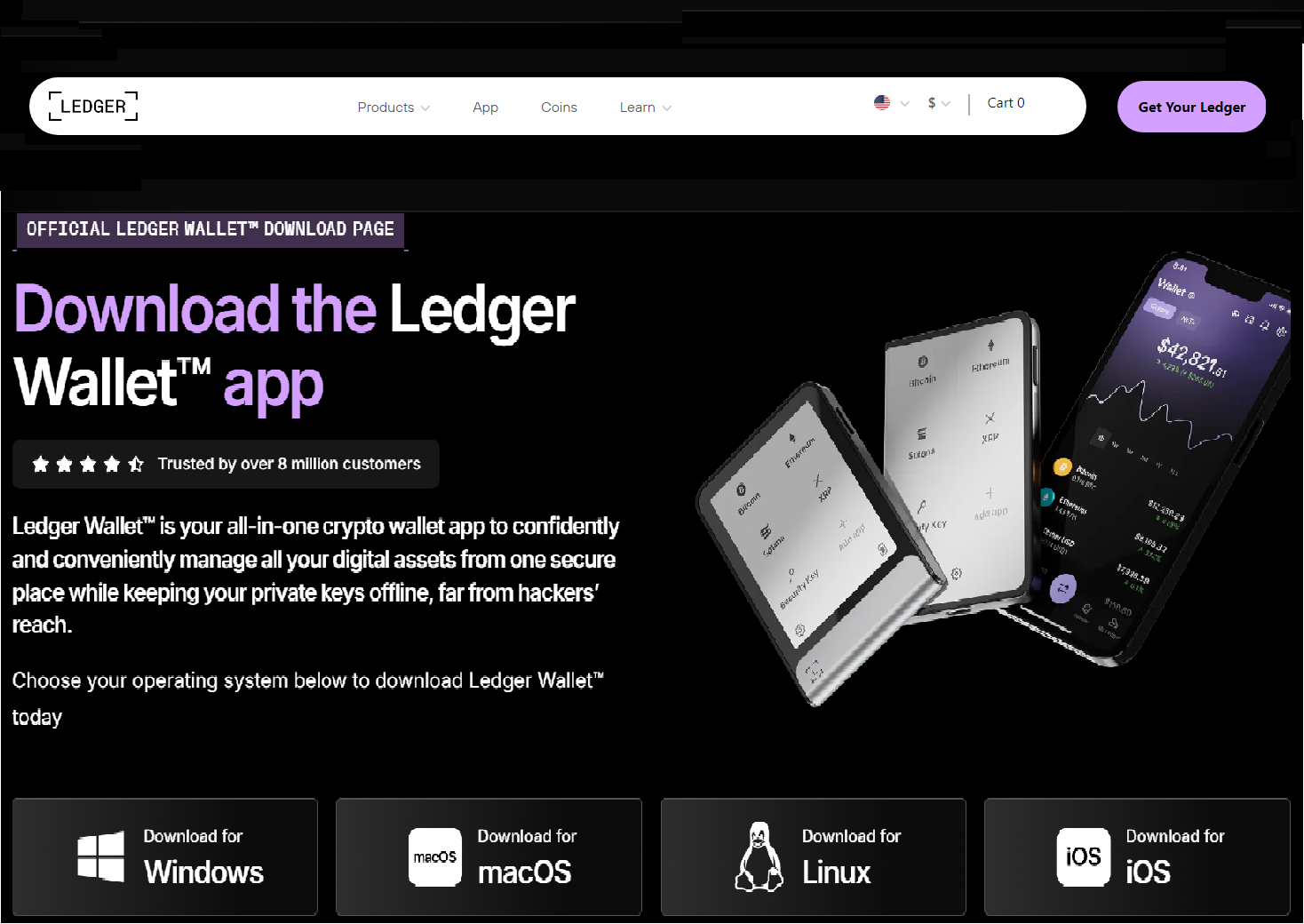
Ledger.com/start: What to Do After Setting Up Your Ledger Wallet
Completing the initial hardware wallet setup can feel like the biggest step for a beginner, but there is still useful work to do afterward. Understanding the wallet interface, practicing basic operations, and establishing good security habits can make future sessions more comfortable.
Ledger.com/start can provide a starting point for users who want to understand the setup process before moving into regular wallet management.
Confirm That You Understand the Setup
After completing the initial process, avoid immediately moving a large amount of cryptocurrency.
Instead, take a moment to review what you have completed. Make sure you understand how the hardware device interacts with compatible software and where your account information is displayed.
If any part of the setup remains unclear, resolve that uncertainty before continuing.
Explore the Wallet Interface
Spend some time becoming familiar with the wallet software.
Look at the available account information, transaction history, and supported functions. Understanding where common information appears makes future sessions easier to navigate.
You do not need to explore every feature at once. Start with the functions you expect to use most frequently.
Check Your Account Information
Before making a transaction, confirm that you are working with the intended account.
If you manage multiple assets or accounts, organization becomes particularly useful. Knowing which account contains a particular asset can reduce confusion when preparing a transfer.
Practice Receiving Funds
Receiving can be a useful first activity for becoming comfortable with your wallet.
Select the appropriate account and asset, then carefully review the receiving address. Where available, verify important address information using the hardware device.
Only share the address after you have confirmed that it belongs to the intended account.
Learn the Sending Workflow
Sending cryptocurrency requires additional attention because a transaction may not be reversible once processed.
Before approving a transfer, check the destination, amount, asset, and relevant network information.
When the hardware device displays transaction details, compare them with what you intended to send. If something does not match, stop before confirming.
Start With a Small Transfer
If you want to test the complete transaction process, consider starting with a small amount.
This can help you understand how a transaction moves from preparation to confirmation. It also gives you an opportunity to become familiar with transaction history and status information.
Once you understand the process, you can make future transactions with a clearer workflow.
Understand Pending Transactions
A transaction may sometimes remain pending while the relevant network processes it.
Do not assume that a delay automatically means the transaction failed. Review the transaction status and consult reliable documentation when necessary.
Avoid submitting repeated transactions simply because the first one has not appeared as completed.
Protect Your Recovery Information
Security does not end when setup is complete.
Your recovery information should remain private and protected. Never provide it to another person or enter it into a website that requests it unexpectedly.
Be especially cautious about people who claim they need your recovery information to diagnose or restore your wallet.
Keep Your Software Sources Consistent
Use trusted official sources when obtaining wallet software or updates.
Avoid unfamiliar download pages, unofficial applications, and files supplied through private messages.
If you receive an unexpected update notification, independently verify it rather than following the provided link immediately.
Know How to Handle Problems
Technical problems can happen, but panic can make them harder to solve.
If your wallet does not behave as expected, stop and identify the exact issue. Return to official documentation and follow the appropriate troubleshooting guidance.
Never give an unknown person remote access to your computer simply because they promise a quick solution.
Build a Regular Routine
After becoming comfortable with the basics, create a simple routine for everyday use.
Review transaction details before approval, keep private information protected, and periodically check your account history.
Consistent habits can be more useful than trying to remember a long list of complicated rules.
Final Thoughts
Using Ledger.com/start is only the beginning of your hardware wallet journey. After setup, focus on understanding your accounts, practicing basic transactions, protecting recovery information, and learning how to respond to unexpected situations.
A gradual approach allows you to become comfortable with your wallet without rushing important decisions.
Updated about 7 hours ago