
Ledger.com/Start® | Getting started®™ — Ledger Support
Visit Ledger.com/start to begin your Ledger wallet setup with information on device preparation, account access, asset management, and transfers.
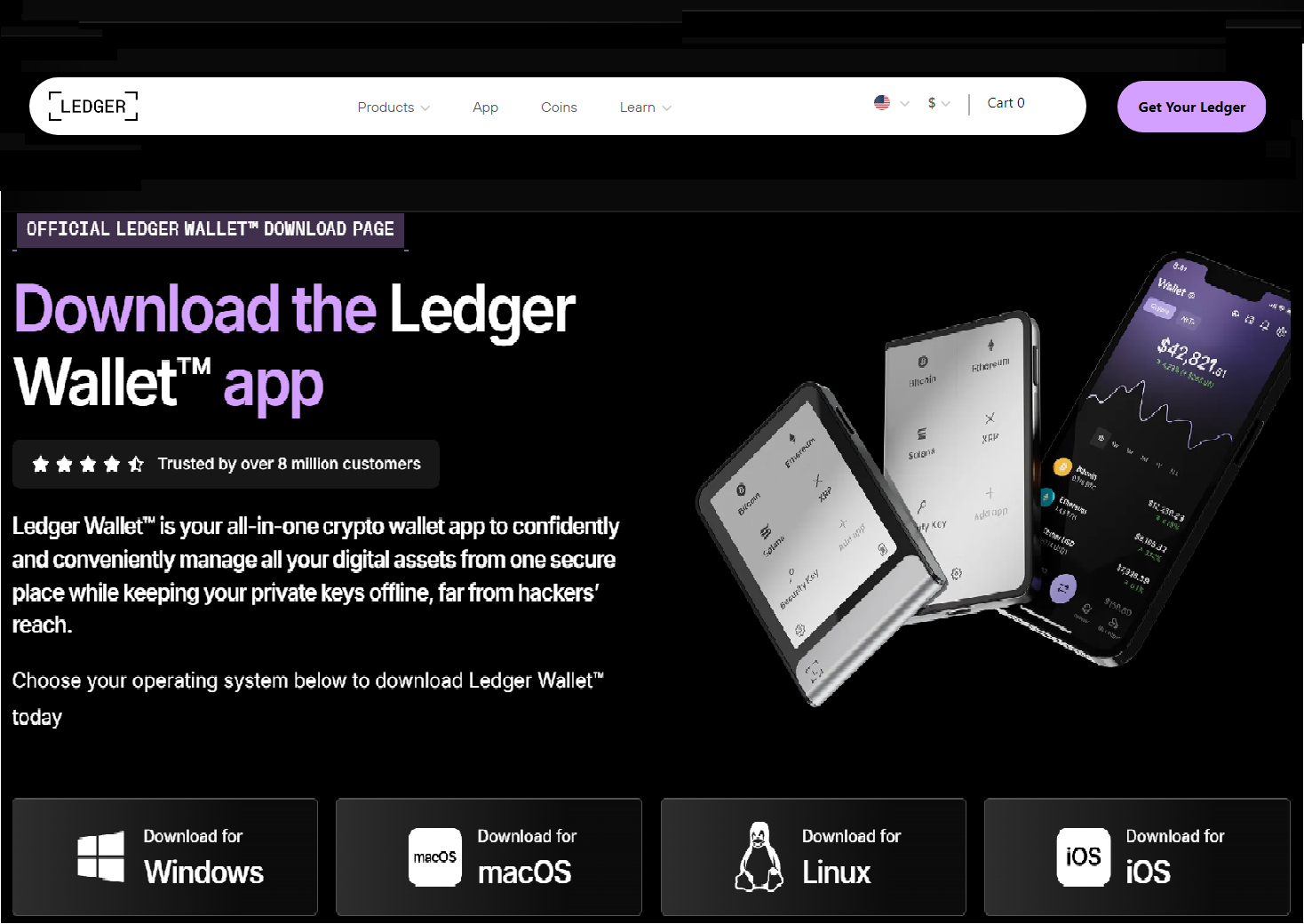
Ledger.com/start: A Clear Roadmap for Your First Wallet Setup
A new hardware wallet can feel unfamiliar at first, especially when you are learning how the physical device, wallet software, and recovery information work together. Following a clear process can make the experience easier to understand.
Ledger.com/start can serve as a starting point for users preparing a Ledger hardware wallet and learning the basic principles of responsible digital-asset management.
Begin With the Correct Resource
Before connecting your device, make sure you are using an official Ledger resource.
Navigate directly to Ledger.com/start rather than relying on links from unknown websites, emails, advertisements, or social media messages. Fake wallet websites can sometimes imitate legitimate branding, so checking the source should always be part of your setup routine.
Once you reach the appropriate resource, follow the instructions provided there instead of combining several unrelated guides.
Create a Suitable Setup Environment
Choose a computer that you trust and control.
A familiar computer makes it easier to identify applications and system changes. Avoid using public computers for important wallet activities.
Before beginning, ensure that your computer is operating normally and that its standard security protections are enabled.
Understand the Hardware Component
A Ledger hardware wallet is a physical device that plays an important role in wallet security and transaction authorization.
The computer interface provides convenient access to supported wallet functions, but the physical device remains an important part of the process.
Before making transactions, take some time to understand how the device displays information and how confirmations work.
Handle Recovery Information Carefully
During wallet setup, recovery information requires particular attention.
Follow the official instructions for recording and protecting it. Keep the information private and inaccessible to anyone who should not have control over the wallet.
Never send recovery words through email, messaging applications, social media, or online forms. Avoid taking digital photographs that could be copied or accessed by other applications.
Most importantly, do not give recovery information to someone claiming to provide technical support.
Explore the Wallet Environment
Once the initial setup is finished, resist the temptation to immediately perform a large transaction.
First, become familiar with the wallet interface. Learn how supported accounts are displayed, where transaction history appears, and how receiving and sending workflows operate.
Understanding the interface beforehand can reduce confusion during future sessions.
Learn the Receiving Process
Receiving cryptocurrency requires careful attention to wallet addresses.
When generating or copying an address, use the verification options available in your wallet. Make sure the address corresponds to the intended account and asset.
If you are testing your setup for the first time, consider using a small transaction appropriate to your situation before becoming comfortable with larger transfers.
Review Every Outgoing Transfer
Sending cryptocurrency requires an additional layer of attention.
Before approving a transfer, review the destination, amount, asset, and relevant network information. Check transaction fees where applicable.
If your Ledger device presents transaction information for confirmation, read the details on the physical device before approving the transfer.
If anything looks unexpected, stop and investigate.
Know How to Respond to Problems
A setup problem does not automatically mean your wallet is compromised.
Connection issues, software problems, or unfamiliar screens can have ordinary explanations. Start with basic checks and consult official documentation before making major changes.
Avoid downloading unofficial repair software or following instructions from unknown individuals.
Be Careful With Support
New users can be attractive targets for fake support accounts.
A person may claim to be helping with wallet activation or synchronization and then request recovery words, passwords, or remote access.
Do not provide these details. Use official Ledger support resources instead.
Keep Your Software Environment Clean
Install only the software you actually need.
When downloading wallet applications or updates, use trusted official sources. Avoid third-party utilities that promise to unlock, repair, accelerate, or recover your wallet.
Keeping the environment simple makes it easier to understand what your computer is running.
Develop a Repeatable Routine
Once your setup is complete, create a few habits you can repeat.
Verify the source of wallet software, protect recovery information, check transaction details before approval, and investigate unexpected messages instead of reacting immediately.
These habits can become part of every wallet session.
Conclusion
Ledger.com/start can provide a useful foundation for beginning your Ledger hardware wallet setup. The process becomes easier when you treat it as a series of understandable steps rather than a single complicated task.
Start with an official resource, use a trusted computer, learn how your hardware device works, protect recovery information, and verify every important transaction. With a consistent approach, you can gradually become more comfortable with everyday wallet management.
Updated about 7 hours ago