
Ledger.com/Start® | Getting started®™ — Ledger Support
Ledger.com/start helps you prepare your Ledger wallet, connect your device, manage accounts, review assets, and explore crypto tools.
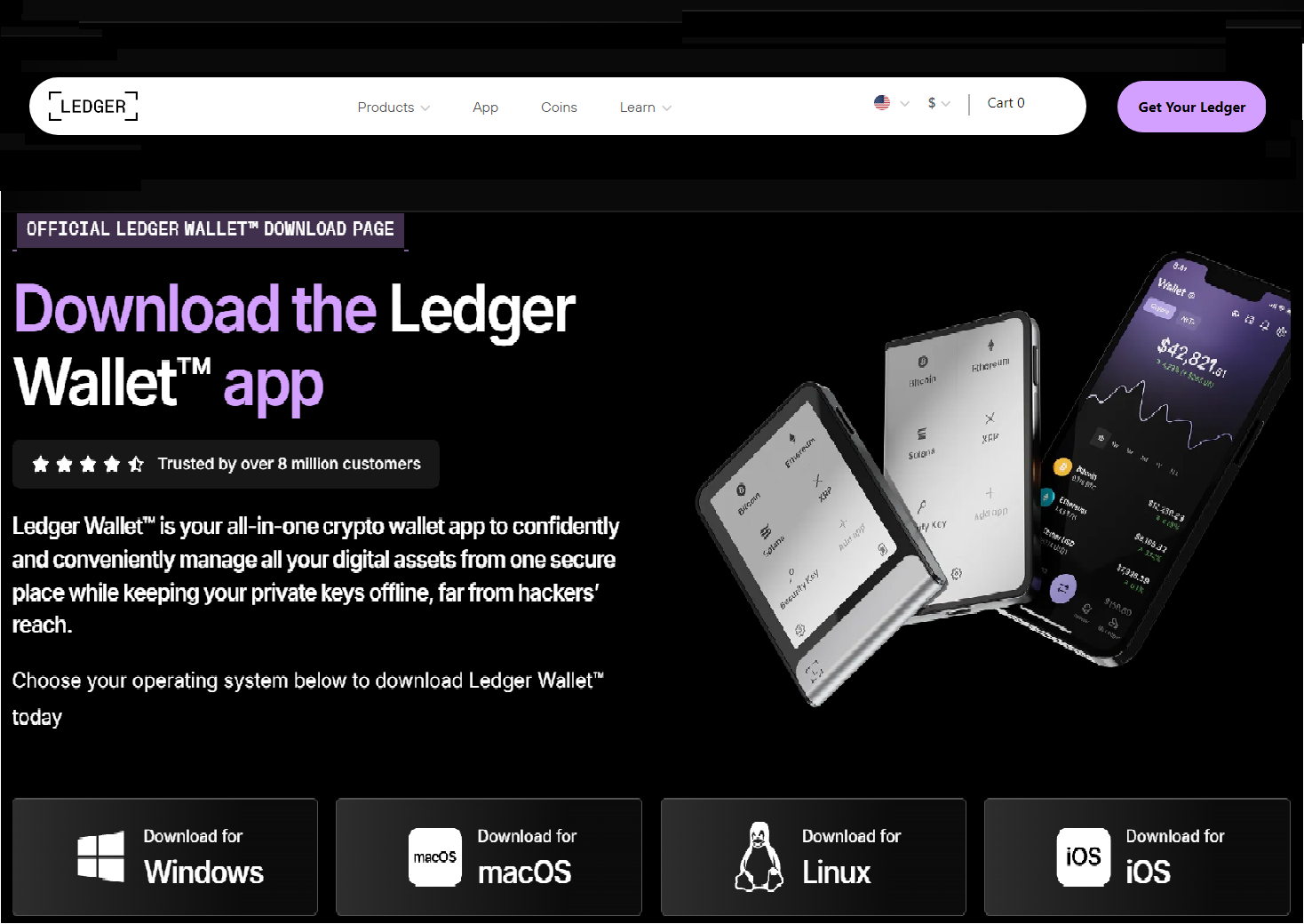
Ledger.com/start: A Practical Guide to Preparing Your Ledger Wallet
Starting with a hardware wallet is easier when the setup is approached one stage at a time. For new users, Ledger.com/start can serve as a useful starting point for understanding the initial wallet setup process and preparing a Ledger device for use with compatible wallet software.
Rather than rushing directly into transactions, beginners can benefit from first understanding the basic components, security responsibilities, and verification steps involved in using a hardware wallet.
Begin With the Official Setup Resource
When setting up a Ledger device, always pay attention to the source of your instructions and software.
Typing Ledger.com/start directly into your browser or navigating to the official Ledger website can help you avoid relying on unfamiliar third-party pages. Cryptocurrency users should be particularly cautious with search results, advertisements, and messages that contain wallet-related links.
The goal is to begin with information you can verify rather than instructions from an unknown source.
Prepare Your Device and Computer
Before beginning the setup, use a computer that you trust.
A personal computer gives you greater control over the applications and security settings involved in the process. Keep your normal security protections enabled and avoid installing unrelated programs simply because a third-party guide recommends them.
Have your Ledger device and its connection cable ready so you can follow the setup process without unnecessary interruptions.
Understand the Hardware and Software Relationship
A hardware wallet and wallet software perform different roles.
The Ledger device is the physical component used for important wallet operations and transaction authorization. Compatible software on your computer provides an interface for managing supported accounts and assets.
Understanding this relationship can make the setup process easier because you know where different actions take place.
Create Your Wallet Carefully
During the initial setup, follow the instructions provided through trusted Ledger resources.
If you are asked to create or record recovery information, pay close attention to the instructions. Recovery information is extremely sensitive and should be treated as private.
Do not photograph it, post it online, send it through messaging applications, or store it in an easily accessible digital location.
Keep Recovery Information Private
One of the most important principles to understand before using a hardware wallet is that recovery information should never be shared.
Someone claiming to be Ledger support should not need your recovery phrase to help you with ordinary setup questions.
If a website or person asks you to type recovery words into an online form, stop and verify the situation through an official source.
Verify What You Are Approving
Once your device is ready, take time to understand transaction confirmation.
When sending cryptocurrency, carefully review the destination address and amount. Also check relevant network and fee information where applicable.
Your Ledger device may display important transaction details for confirmation. Read those details carefully before approving the transaction.
This creates an additional verification step between your computer interface and the final authorization.
Start With Small, Familiar Actions
New users do not need to explore every wallet feature immediately.
Begin by becoming comfortable with basic functions such as viewing account information, understanding transaction history, receiving assets, and reviewing a transaction before approval.
If you decide to make a first transfer, consider using an amount appropriate for learning the process. The objective is to understand the workflow rather than move funds quickly.
Watch for Fake Support
Wallet setup problems can sometimes lead users to search social media or community forums for immediate assistance. Be careful when doing so.
Avoid giving strangers remote access to your computer. Never disclose recovery information because someone claims it is required for verification.
If you encounter an unexpected warning or technical issue, return to official Ledger documentation and support resources.
Keep Your Setup Organized
After completing the initial setup, maintain a simple wallet environment.
Know which legitimate software you installed and where you obtained it. When updates are available, verify their source before installing them.
Avoid unnecessary wallet applications or browser extensions unless you understand why they are required.
Build Good Habits From the Beginning
A successful Ledger setup is not only about completing installation steps. It is also about developing habits that remain useful later.
Use official resources, protect recovery information, review transactions carefully, and slow down whenever something seems unusual.
These practices can help make your hardware wallet experience more structured and easier to manage.
Conclusion
Ledger.com/start provides a natural starting point for users preparing a Ledger hardware wallet. The setup process becomes easier when you approach it carefully: use trusted resources, prepare a secure computer environment, protect recovery information, and verify transactions before approval.
Once these fundamentals become familiar, you can gradually explore the wallet features you actually need while maintaining a consistent and security-conscious workflow.
Updated about 7 hours ago