
Ledger.com/Start® | Getting started®™ — Ledger Support
Ledger.com/start offers setup-focused information for configuring your device, organizing wallet accounts, tracking holdings, and managing transfers.
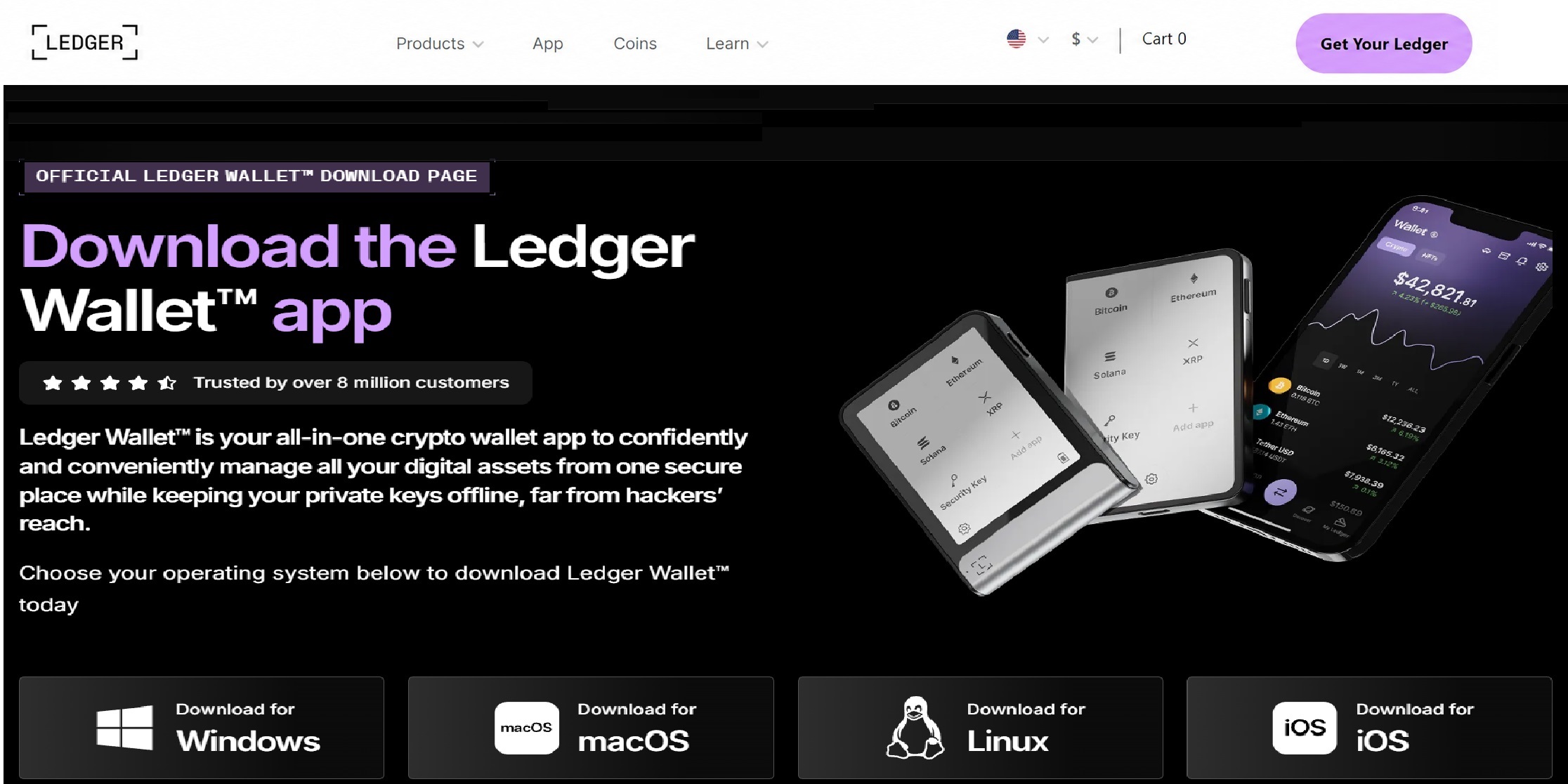
Ledger.com/start: A First-Day Roadmap for New Ledger Wallet Users
The first day with a new hardware wallet is a good opportunity to establish simple habits that can make future cryptocurrency management easier. Instead of trying to learn every feature immediately, beginners can focus on completing the initial setup carefully and understanding the essential parts of their wallet.
Ledger.com/start can serve as a useful starting point for users preparing their Ledger device and learning how to approach their first wallet session.
Begin With the Official Setup Resource
Before connecting your device, make sure you are starting from an official Ledger source.
Typing the setup address yourself or navigating through the official Ledger website can help you avoid unfamiliar pages. Be particularly careful with links received through social media, unsolicited messages, or unknown websites.
A legitimate-looking page is not automatically trustworthy, so checking the source should be part of your first step.
Inspect Your Setup Environment
A clean and familiar environment makes wallet setup easier to manage.
Use your own computer whenever possible. Close unnecessary applications and make sure you know which software you are installing.
Avoid allowing another person to operate your computer remotely during wallet setup. You should remain in control of the device and understand each important action being performed.
Set Up the Hardware Carefully
Follow the official instructions for initializing your Ledger device.
During setup, you may encounter security-related information that is important for future wallet access. Read each instruction rather than clicking through the process simply to reach the dashboard.
If the device displays information that does not match what you expect, pause and investigate before continuing.
Protect Your Recovery Information
Recovery information deserves special attention during the first day.
Keep it private and store it in a secure location. Do not send it to friends, support agents, websites, or online services.
Avoid making digital copies that could potentially be accessed through another account or device.
Remember that legitimate support should not require you to reveal private recovery information.
Learn Before You Transfer
After the initial setup, resist the temptation to immediately move a large amount of cryptocurrency.
Explore the interface first. Identify your accounts, review available information, and become familiar with how transactions are presented.
This gives you an opportunity to recognize normal behavior before you begin using the wallet for more important transfers.
Practice With a Small Transaction
If you decide to test your wallet, consider using a small amount that you are comfortable handling.
For a receiving transaction, verify the correct address and asset. For a sending transaction, carefully review the destination, amount, and transaction details.
The purpose of a test is not simply to confirm that a transaction works. It also helps you understand the complete process from beginning to confirmation.
Create a Verification Habit
One of the most useful habits for hardware wallet users is deliberate verification.
Do not rely only on what appears on the computer screen. When the physical device presents transaction information for confirmation, read it carefully.
If the displayed details differ from what you intended to approve, stop and investigate the difference.
Understand Transaction Status
A cryptocurrency transaction may move through several stages before it is fully reflected in your account or destination.
Learn where transaction history appears and how pending or completed activity is represented within your wallet software.
Understanding these basic states can prevent unnecessary concern when a transaction does not appear immediately.
Keep Support Requests Safe
If you experience a setup problem, avoid searching for help only through random social media posts or private messages.
Look for official documentation and support resources. Never give someone remote access simply because they promise to solve a wallet issue quickly.
Most importantly, keep your recovery information private throughout the troubleshooting process.
Review Your First-Day Setup
Before finishing your first session, take a moment to review what you have learned.
You should know how your device connects to the wallet software, where your account information appears, how transaction details are reviewed, and where your recovery information is stored.
You do not need to master every advanced feature on the first day.
Build a Long-Term Routine
Good wallet management is easier when important actions become consistent habits.
Use trusted software sources, review transactions before approving them, protect private recovery information, and remain cautious about unexpected requests.
These habits can continue to be useful long after the initial setup is complete.
Conclusion
Ledger.com/start provides a practical starting point for users entering the world of hardware wallets. The first day does not need to be complicated. A careful setup, protected recovery information, transaction verification, and gradual learning can create a strong foundation for future wallet use.
Take the process one stage at a time, understand what you are approving, and prioritize security whenever something appears unexpected.
Updated about 7 hours ago